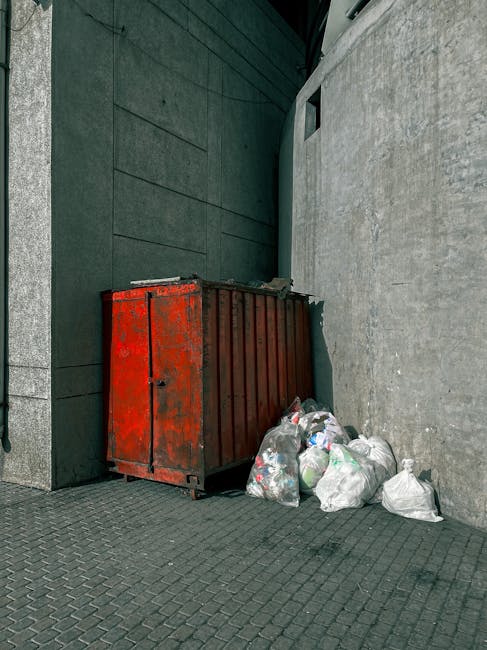
Avoid delays with emergency rubbish removal in Camberley
When rubbish suddenly needs removing, time starts to matter in a very real way. A blocked driveway, a pile of builders' waste after a rushed job, or a garage full of heavy junk can stop the day in its tracks. If you need to avoid delays with emergency rubbish removal in Camberley, the key is not just speed; it is being organised enough to get the right team, the right vehicle, and the right process in place without faffing about.
This guide explains how emergency rubbish clearance works, what causes delays, and how to prepare so the job moves quickly and smoothly. You will also find practical checks, a comparison table, common mistakes to avoid, and a realistic example of what a fast response can look like in Camberley. Let's face it, when the waste is in the way, you want clear answers, not a long run-around.
Table of Contents
- Why emergency rubbish removal matters
- How emergency rubbish removal works
- Key benefits and practical advantages
- Who this is for and when it makes sense
- Step-by-step guidance
- Expert tips for better results
- Common mistakes to avoid
- Tools, resources and recommendations
- Law, compliance, standards, and best practice
- Options, methods, or comparison table
- Case study or real-world example
- Practical checklist
- Conclusion
- Frequently asked questions
Why emergency rubbish removal matters
Emergency rubbish removal is about more than tidying up quickly. It is often the difference between a property staying usable and a problem getting worse. In Camberley, that can mean clearing waste after a sudden tenancy handover, a burst pipe repair, a shop refit, a family clear-out, or a weekend builders' job that left more debris than expected.
Delays tend to compound. A small pile of waste becomes a safety hazard, then a nuisance, then a real barrier to access. Boxes get damp. Sharp offcuts get missed in poor light. A hallway starts to feel cramped. By the time the job gets pushed back a day or two, it can affect neighbours, customers, tradespeople, or family plans. Nobody wants a rubbish pile becoming the main character.
The phrase emergency does not always mean a crisis in the dramatic sense. Often it simply means the waste needs to go now because the space has another purpose. A rental inspection is due. A renovation crew arrives at 8 a.m. A landlord wants a flat empty before keys are handed over. That urgency is where professional rubbish removal earns its keep.
If you need a broader clear-out rather than a one-off urgent pickup, it can help to look at related services such as waste removal, house clearance, or home clearance so you can match the job to the right service from the outset.
How emergency rubbish removal works
Good emergency rubbish removal should feel straightforward. You explain what needs clearing, describe where the waste is located, and give an honest idea of access. Then the provider decides what vehicle, crew size, and timing are needed. Simple enough, though the details matter more than people expect.
Typically, the process begins with a quick assessment. That may happen over the phone, by message, or with photos. The clearer your description, the less chance there is of a mismatch on the day. A heap of lightweight bagged waste is very different from mixed rubble, bulky furniture, or damp garden debris. Mixed loads can take longer to sort, load, and dispose of properly.
After that comes scheduling. The whole point of emergency service is reducing waiting time, but even urgent work has practical constraints: crew availability, traffic, parking, access, and whether the waste needs special handling. In Camberley, as with most busy local areas, timing can be affected by school runs, narrow drives, or shared access routes. It is not glamorous, but it is real.
Once the team arrives, they will normally assess the load, confirm the final scope if needed, and then remove the waste safely. That may include lifting from a garage, loft, shed, office, or garden area. Where relevant, they should separate reusable items, recyclable materials, and general waste so disposal is handled responsibly. For example, bulky furniture may be better handled through furniture clearance or furniture disposal, depending on its condition and the scale of the job.
For heavier renovation waste, a dedicated service such as builders waste clearance is usually the cleaner fit. It can save time because the crew already expects awkward materials, dust, and rubble rather than just general household items.
Key benefits and practical advantages
Emergency rubbish removal is not just about speed. The best service also saves time, prevents mess from spreading, and helps you get back to normal with less stress. In practical terms, the benefits are pretty obvious once you have been through a delay or two.
- Faster access to the space: You can use the room, driveway, office, or garden again without waiting for a long booking window.
- Lower stress: There is a big mental lift when the clutter disappears. You feel it straight away, honestly.
- Reduced safety risk: Loose debris, broken furniture, and sharp edges are removed before someone trips or gets injured.
- Better presentation: Important for landlords, agents, businesses, or anyone preparing for visitors.
- Less disruption: Fast turnaround means fewer delays for trades, inspections, or business operations.
- Improved sorting and disposal: A proper service can separate materials for reuse, recycling, or responsible disposal.
There is also a commercial advantage. If you run a business or manage a property, delays can become expensive in ways that are not obvious at first. A postponed handover can hold up a project. A blocked work area can slow a team. A full office storeroom can make maintenance jobs awkward. For those situations, business waste removal or office clearance may be more appropriate than a general clean-up.
One of the less talked-about benefits is momentum. Once one pile is gone, people often get moving on the next task. It sounds small, but it matters. Clearing the rubbish can unlock the rest of the day.
Who this is for and when it makes sense
This kind of service suits anyone who needs waste gone quickly and cannot afford a slow turnaround. That might be a homeowner, landlord, tenant, tradesperson, facilities manager, shop owner, or letting agent. The common thread is simple: the waste is in the way, and it needs to move now.
Here are some typical situations where urgent clearance makes sense:
- End-of-tenancy clear-outs with tight move-out times
- After builders have left rubble, timber, or packaging behind
- Garden waste that is blocking access or piling up after a major cut-back
- Garage clearances where bulky items are causing safety issues
- Loft clearances after leak repairs, pests, or long-overdue decluttering
- Office or retail waste that needs removing before trading resumes
To be fair, not every pile needs an emergency response. If the waste is not causing delay, hazard, or access problems, a scheduled clearance is often enough. But when the space has to be ready for something else, urgent removal starts to make very good sense.
For people dealing with one specific area rather than a whole property, targeted services can be more efficient. A garage clearance, loft clearance, or garden clearance may be the quickest route to a tidy result without booking more work than you need.
Step-by-step guidance
If you want to avoid delays, preparation is half the battle. A fast service still needs clear information. The smoother you make the job, the faster it tends to go. Here is a sensible way to handle it.
- Identify exactly what needs removing. Separate general waste, furniture, rubble, green waste, and anything potentially hazardous. A rough list is better than none.
- Take a few clear photos. Photos help the team judge volume, access, and loading needs. One picture of a pile in a dim corner is less useful than two or three from different angles.
- Check access routes. Make sure gates, hallways, stairwells, and parking spaces are usable. If the crew cannot reach the waste easily, the job slows down.
- Move small obstacles where possible. A little preparation goes a long way. Pots, bins, loose tools, or stacked boxes can all get in the way.
- Confirm the timing and site contact. If you are not going to be there, make sure someone else is available to unlock doors or answer questions.
- Ask about sorting and disposal. If you have recyclable items or reusable furniture, say so upfront. It can change how the load is handled.
- Clear a safe working area. That means children, pets, and vulnerable people should be kept away from lifting zones and vehicle access.
It sounds basic, and it is. But a lot of delays happen because people assume the crew will sort everything on arrival. Sometimes they can, but sometimes the clock starts running while everyone is still figuring out what belongs where. Not ideal.
If you are comparing services before booking, you may also want to review pricing and quotes so you understand how scope, access, and load type can affect the final figure. Transparent expectations usually mean fewer last-minute surprises.
Expert tips for better results
There are a few small habits that consistently prevent delays. None of them are dramatic. That is the point.
- Be honest about volume. Underestimating the load is one of the easiest ways to slow things down. If in doubt, describe the pile as it really is.
- Flag awkward items early. Mattresses, white goods, broken furniture, paint tins, or heavy builders' waste may need different handling.
- Keep the route clear. Stairs, narrow paths, and cluttered entrances all add time. A clear route makes the job safer and quicker.
- Group waste by type if you can. Even rough grouping helps. Cardboard together, timber together, garden waste together. It does not need to be perfect.
- Ask what happens next. A good provider should explain whether items are recycled, reused, or disposed of through the right channels.
One practical observation: the fastest jobs are rarely the ones with the fanciest equipment. They are the jobs where the client has done a bit of prep and the crew can get straight to work. That's it. Simple, but powerful.
If you are clearing a space that contains a mix of old cabinets, chairs, and general household clutter, it may be worth looking at house clearance or home clearance rather than trying to piece together several separate services.
Common mistakes to avoid
The biggest delays usually come from avoidable mistakes. Not every problem is the customer's fault, of course, but a few common slip-ups do keep appearing.
- Waiting until the last minute to ask for help: Emergency services can move quickly, but they still need a window to fit you in.
- Giving vague descriptions: "A bit of rubbish" is not enough. The more specific you are, the better.
- Blocking access on the day: Parked cars, locked gates, or stacked boxes can all create needless delays.
- Mixing ordinary waste with specialist items: This can affect disposal planning and loading time.
- Ignoring safety issues: Broken glass, nails, damp waste, and unstable stacks should not be treated casually.
Another mistake is assuming every clearance is the same. A garage full of assorted clutter behaves very differently from a pile of renovation rubble or an office full of broken desks. The job looks similar from the outside, but on the ground? Not really.
For businesses especially, poor planning can interrupt trading or maintenance work. If the waste is office-related, a dedicated office clearance can be a better fit than a general removal request, simply because the workflow and access issues are different.
Tools, resources and recommendations
You do not need specialist equipment to prepare for emergency rubbish removal, but a few simple tools can help the process along. A torch, sturdy gloves, bin bags, a tape measure, and a phone camera are usually enough for most people. If the area is dark, dusty, or awkwardly packed, a quick torch check can save a lot of guesswork.
Useful things to have ready before the crew arrives:
- Photos of the waste and access points
- Approximate measurements for bulky items
- A list of anything fragile, hazardous, or unusually heavy
- Parking or entry instructions
- Key contact details for the person on site
If you want to understand how a provider handles standards, paperwork, or service expectations, these pages can be useful background reading: health and safety policy, insurance and safety, and recycling and sustainability. They help you judge whether the company takes the job seriously, not just quickly.
There is also value in checking how the team communicates before you book. If responses are clear, polite, and specific, that is usually a good sign. If everything feels vague, rushed, or oddly evasive, well... your instinct is probably doing you a favour.
Law, compliance, standards, and best practice
Rubbish removal in the UK is not just a matter of lifting and loading. Waste has to be handled responsibly, and businesses carrying out removal work should follow accepted legal and environmental duties. The exact rules can vary depending on the waste type, the property, and who produced the waste in the first place, so it is wise to keep things practical and cautious rather than overly certain.
As a general best practice, look for a provider that treats waste segregation, transport, and disposal with care. That includes understanding whether an item should be reused, recycled, or disposed of as general waste. It also includes safe lifting, sensible vehicle loading, and avoiding fly-tipping in any form. Nobody wants their waste becoming someone else's problem. That is not just bad practice, it is a real reputational risk.
For commercial customers, this matters even more. Offices, shops, and landlords often have a higher duty to keep records tidy, premises safe, and waste handled by the right people. If you are arranging a clear-out for a business site, business waste removal is usually a better match than a one-size-fits-all collection.
Best practice also extends to customer care. Clear pricing, transparent communication, and proper attention to safety are all signs that the service is set up to reduce delays rather than create them. If a provider explains the process plainly and asks sensible questions, that is usually a very good sign.
Options, methods, or comparison table
Not every urgent job needs the same approach. Choosing the right method can cut delay more effectively than simply asking for the fastest possible arrival. Here is a simple comparison.
| Option | Best for | Pros | Watch-outs |
|---|---|---|---|
| General emergency rubbish removal | Mixed household waste, clutter, and unwanted items | Flexible, fast, suitable for many situations | May be less precise if the waste is specialised |
| House clearance | Whole-room or whole-property clear-outs | Good for larger, mixed loads; efficient for full properties | May be more service than you need for a small pile |
| Builders' waste clearance | Renovation waste, rubble, timber, packaging | Designed for messy trade materials | Not ideal for furniture-heavy jobs |
| Furniture clearance / disposal | Bulky household or office furniture | Efficient for large items; less confusion on the day | May not suit mixed waste loads |
| Garden clearance | Green waste, cuttings, soil, outdoor clutter | Good for seasonal and outdoor clean-ups | Wet green waste can be heavier than expected |
The right choice depends on what is sitting there, how quickly it needs to go, and how much sorting is involved. If you are unsure, describe the waste honestly and let the team guide you. That usually saves time rather than costing it.
Case study or real-world example
Here is a realistic example. A small landlord in Camberley had a tenancy ending on a Friday afternoon. The tenant had left a mix of broken shelving, a mattress, several bags of mixed waste, and a few damp cardboard boxes in the hallway. The new tenant was due the following morning. Tight timing, to put it mildly.
Instead of waiting to sort everything over the weekend, the landlord took a few clear photos, listed the items, and explained the access: first-floor flat, shared entrance, limited parking, and a narrow stairwell. Because the information was specific, the waste team could plan the right size crew and arrive ready to work. The old furniture went first, then the bagged waste, then the cardboard and loose debris. The hallway was clear before the new tenant arrived.
What made the difference? Not luck. Preparation. The landlord had stacked the waste in one place, kept the access route open, and made sure someone was available to meet the crew. No drama, no long back-and-forth, no surprise delays.
That kind of scenario comes up all the time, especially with flats, rental properties, and busy homes. In fact, flat clearance is often where planning matters most because stairs, communal access, and neighbours all add pressure to get the timing right.
Practical checklist
Use this checklist before the team arrives. It is simple, but it helps.
- Describe the waste clearly and honestly
- Send photos if possible
- Note any heavy, sharp, wet, or awkward items
- Clear the access route
- Move vehicles if needed
- Keep pets and children away from the work area
- Confirm where the crew should park or enter
- Decide whether you need a full clearance or just partial removal
- Check whether reusable or recyclable items should be separated
- Make sure someone on site can answer questions
If the waste is mostly furniture, you may want to pair this with furniture clearance so the crew arrives expecting bulky items. If it is mainly outdoor debris, a garden clearance may be the faster route. Matching the service to the load is one of the easiest ways to avoid delays.
Key takeaway: the quickest rubbish removal jobs are the ones with clear information, clear access, and a clear plan. That is the honest truth.
Get a free quote today and see how much you can save.
Conclusion
When waste is causing a problem, speed matters, but so does clarity. To truly avoid delays with emergency rubbish removal in Camberley, you need a service that can respond quickly without guessing, and you need to give the crew enough information to work efficiently. That combination cuts out most of the frustration straight away.
Think in terms of preparation, safety, and fit. Choose the service that matches the load, clear the access route, and explain the job properly. Do that, and the process becomes much smoother than people usually expect. A messy situation can become manageable very quickly, even on a busy day. And once the rubbish is gone, the space tends to feel bigger, calmer, and strangely lighter. You notice it right away.
Frequently Asked Questions
What counts as emergency rubbish removal in Camberley?
It usually means waste needs removing quickly because it is blocking access, creating a safety issue, or delaying another job such as a move, inspection, or renovation. It is more about urgency than drama.
How do I stop delays before the team arrives?
Give a clear description, send photos, make access easy, and move anything that might block lifting or loading. Simple preparation often saves more time than people expect.
Can emergency rubbish removal handle mixed waste?
Yes, in many cases it can. Mixed household clutter, furniture, bagged waste, and light building debris are common. If the load includes specialist items, mention them early so the right approach can be planned.
Is it better to book house clearance or general waste removal?
If the waste is a full room, a whole property, or a large mixed load, house clearance may be better. For smaller or more general jobs, waste removal is often the more flexible option.
What if my waste includes old furniture?
Say so from the start. Bulky furniture affects loading time and crew planning. In many situations, furniture clearance or furniture disposal will be the cleanest fit.
How quickly can an emergency collection happen?
That depends on availability, the size of the job, access, and the type of waste. A clear brief improves the chances of a fast turnaround, but timing can never be guaranteed in every case.
Do I need to sort the rubbish before collection?
You do not always need to sort it perfectly, but grouping similar items can help. Separate obviously different materials where practical. It makes the job smoother and often faster.
What should I do about heavy or awkward items?
Flag them early and do not try to move anything unsafe on your own. Heavy items can require more labour, more space, and a more careful lift plan.
Is emergency rubbish removal suitable for businesses?
Absolutely. Shops, offices, landlords, and tradespeople often need fast removals to keep operations moving. Business waste removal or office clearance may be the right service depending on the site.
What are the main mistakes that cause delays?
The biggest ones are vague descriptions, blocked access, underestimating the amount of waste, and leaving hazardous or awkward items unmentioned until the last minute.
Should I look for recycling and responsible disposal?
Yes. A good service should handle waste responsibly and separate items where possible. That is better for the environment and usually a sign of a more organised operation.
Where can I check a provider's service standards?
It helps to review pages such as about the company, health and safety, insurance, pricing, and sustainability. Clear policies suggest the provider takes both speed and responsibility seriously.
What is the safest way to prepare for a fast clearance?
Keep pathways clear, move people and pets away from the work area, and avoid touching broken, damp, or unstable waste. Safety first, then speed.